
Tuna Management 101
Tuna is a funny seafood item to discuss with folks who don’t work in the industry. Most think of the silvery and affordable cans stacked on shelves in grocery stores or perhaps the more elevated slices of sashimi on sticky rice, the fiery spicy tuna rolls dunked in soy sauce, or the sesame-coated tuna steaks thinly sliced on salads. But what is it about this popular fish that warrants an international coalition of businesses to assemble for a strategic planning meeting in London?
Don’t let the low prices on tuna cans fool you. Tuna is one of the most lucrative fish on the planet and its athletic nature of swimming across oceans on the high seas makes it especially tricky to manage when dozens of nations are involved in competing for the same resource, each with their unique economies, goals, histories, size, and situational challenges.
To manage tuna fisheries, the ocean is divided into five sections and organized by regional fisheries management organizations, or RFMOs. Each member country’s delegates who participate in the RFMOs often tend to be the nation’s lead fisheries minister or some other form of top political or scientific figurehead. All of a sudden you go from a can of smelly fish that is frowned upon eating in many low-airflow spaces like offices or airplanes, to a very international conference of global political leaders attempting to work together to preserve a lucrative natural resource that is caught far at sea with an array of sustainability challenges such as overfishing, bycatch, human rights abuses, and more.
Lusamerica in London
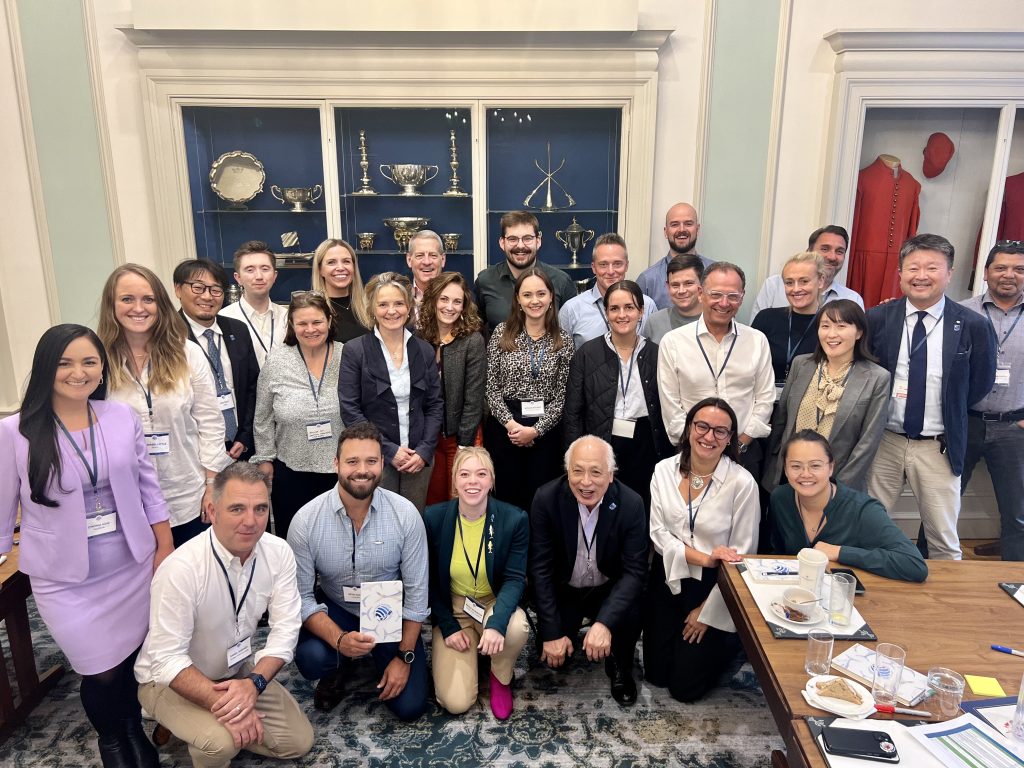
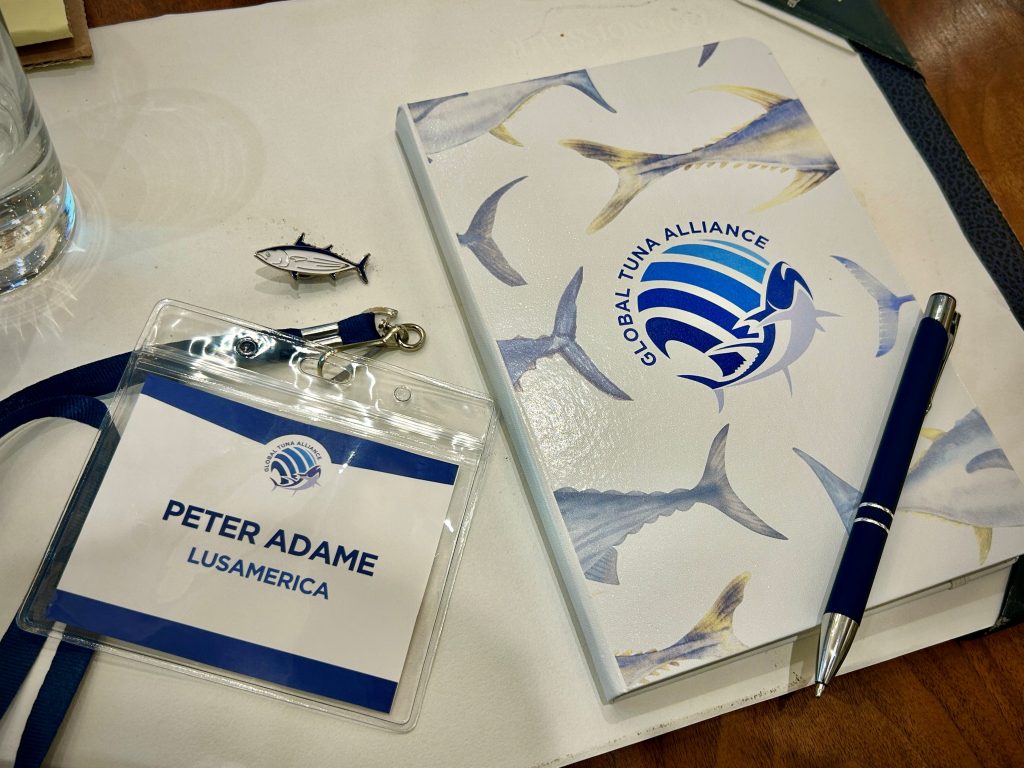
In September 2024, our sustainability director flew to London to participate in a strategic planning meeting with the Global Tuna Alliance—an international coalition of seafood businesses and retail grocers working to drive positive change in the tuna sector. Lusamerica has been part of the Global Tuna Alliance since February 2022, which has equipped us to engage with the RFMOs mentioned earlier, specifically, the decision-makers (known as delegates) who are located around the world. Together, the GTA is encouraging RFMO delegates to vote for key measures to help rebuild tuna stocks, reduce bycatch, improve data to advise fisheries management across oceans, and more. GTA is unique in that it is made up of businesses, a core constituent for delegates, which often catch their ears more than our non-profit counterparts.
The meeting in London was the GTA’s first-ever in-person Partners Meeting, and Lusamerica was the only USA-based seafood company in attendance. Robin Teets from the NGO Tuna Forum was also in attendance (he’s based in the U.S. and works with dozens of US and non US-based non-profits), as well as Cynthia Asaf from Pacifical–they provide supply chain traceability and data verification services. The rest of the partners in attendance were primarily from Europe, including major retailer Tesco, and tuna canning company Princes. While we traveled a long distance from California to be there, several Japanese representatives attended from an even greater distance on the other side of our “small” world.
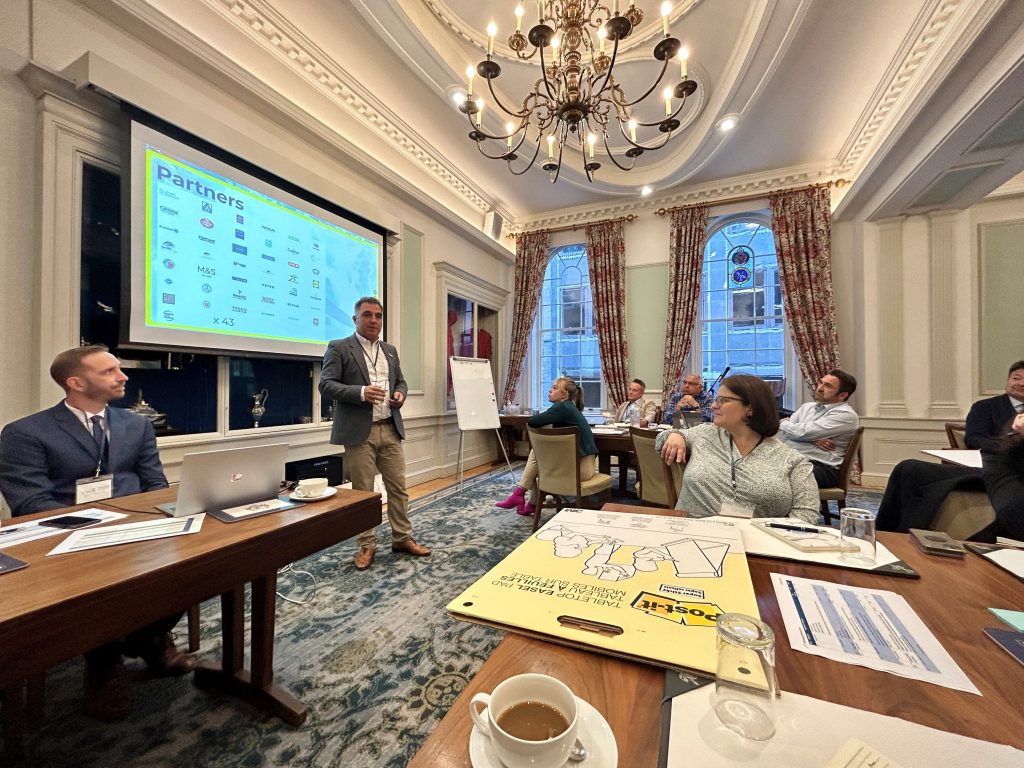
The Partners Meeting featured presentations from the GTA’s board chair Cassie Leisk, GTA’s executive director Daniel Suddaby, and the honorable former Secretariat of the Indian Ocean Tuna Commission (IOTC), Alejandro Anganuzzi. Members shared their top priorities as we workshopped a new 5-year strategy on how the Global Tuna Alliance can make the greatest impact, primarily continuing the GTA’s current core priority areas of:
- Environmental Sustainability (such as advocating for harvest strategies, setting respective sourcing policies, addressing harmful fishing practices, and supporting fins-naturally attached advocacy/policies)
- Social Responsibility (such as conducting supply chain due diligence and supporting safety standards at sea for fishermen and observers)
- Transparency & Traceability (such as combatting illegal fishing, setting up electronic monitoring standards, supporting increased observer coverage, enhancing fishing vessel traceability, establishing transshipment regulations, and adopting the Port State Measures Agreement).
Learn More:
View our recent GTA position statements
Join the Global Tuna Alliance
Watch our fillet artists break down a whole yellowfin tuna