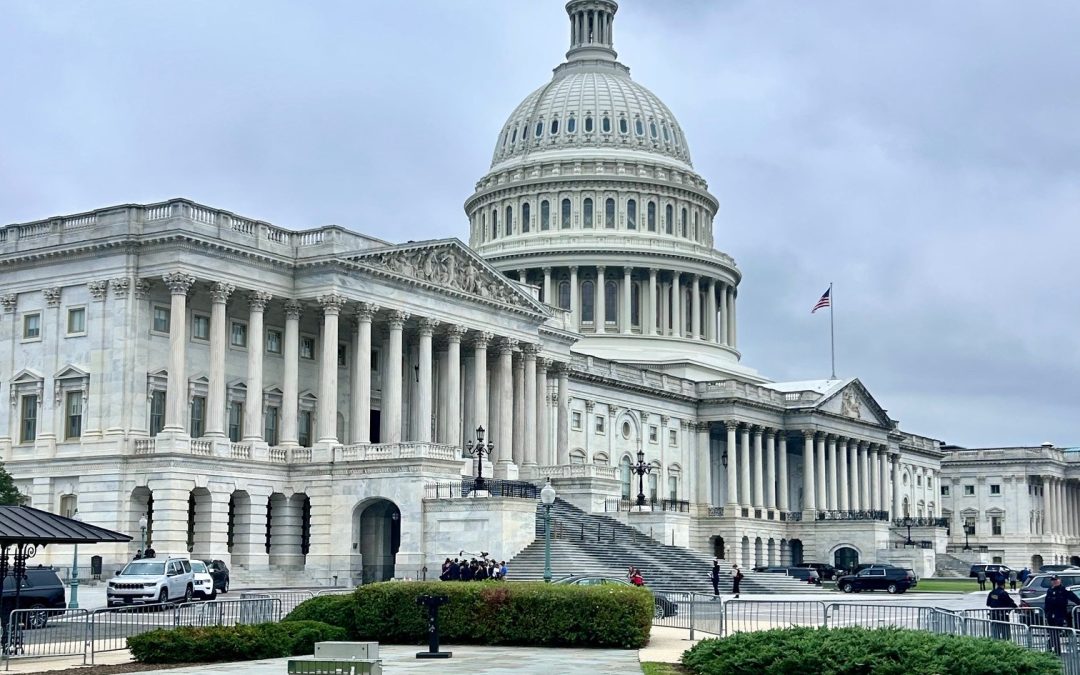
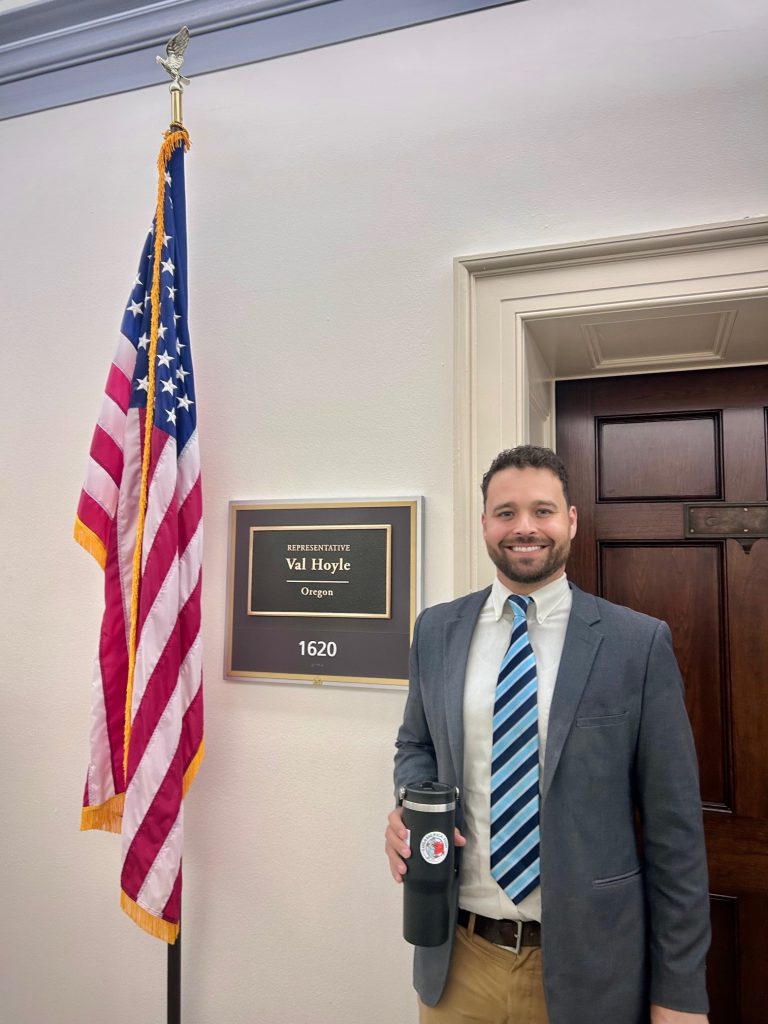
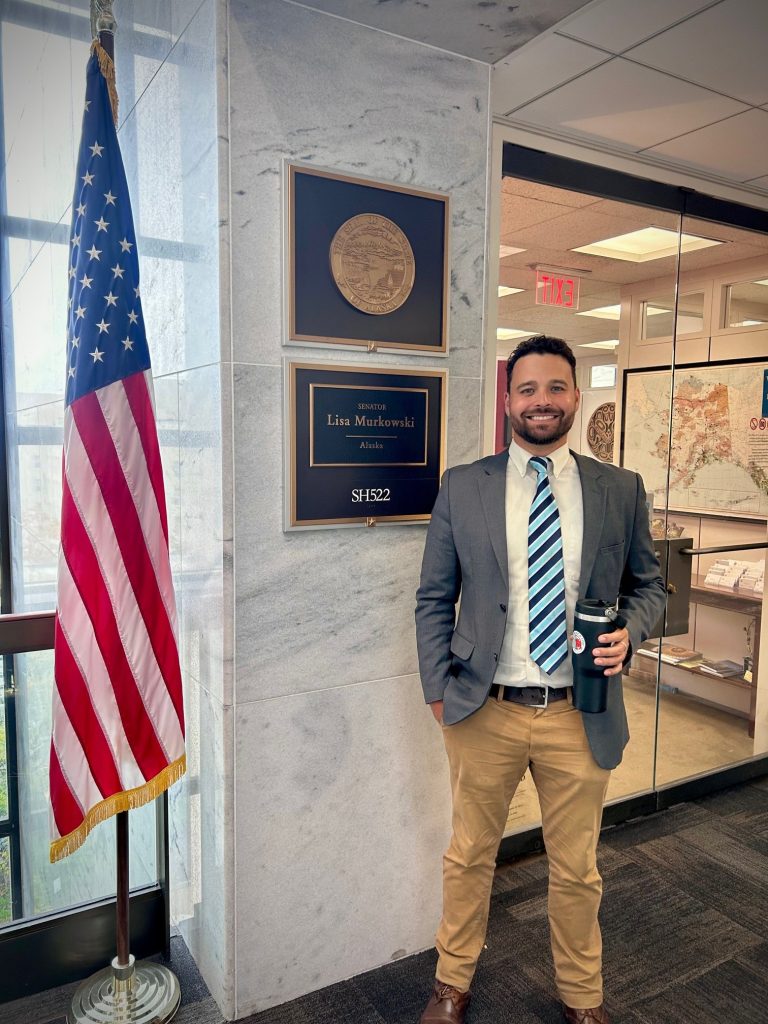
In early September 2025, Lusamerica’s Sustainability Director, Peter Adame, traveled to Washington, D.C., to meet with West Coast Congressional offices in support of our domestic fisheries. The trip was part of a “fly-in” event coordinated by the Environmental Defense Fund (EDF), which brought together 14 fishermen and industry leaders for advocacy training and direct conversations with lawmakers.
Day 1: Fishery Conservation Advocacy Training
On the first day, participants gathered at EDF’s DC office for a crash course in fisheries advocacy. The training covered:
-
Fisheries management 101
-
How Congress works
-
Best practices for advocacy and storytelling
-
Communication skills for reaching broad audiences
Day 2: Taking Action on Capitol Hill
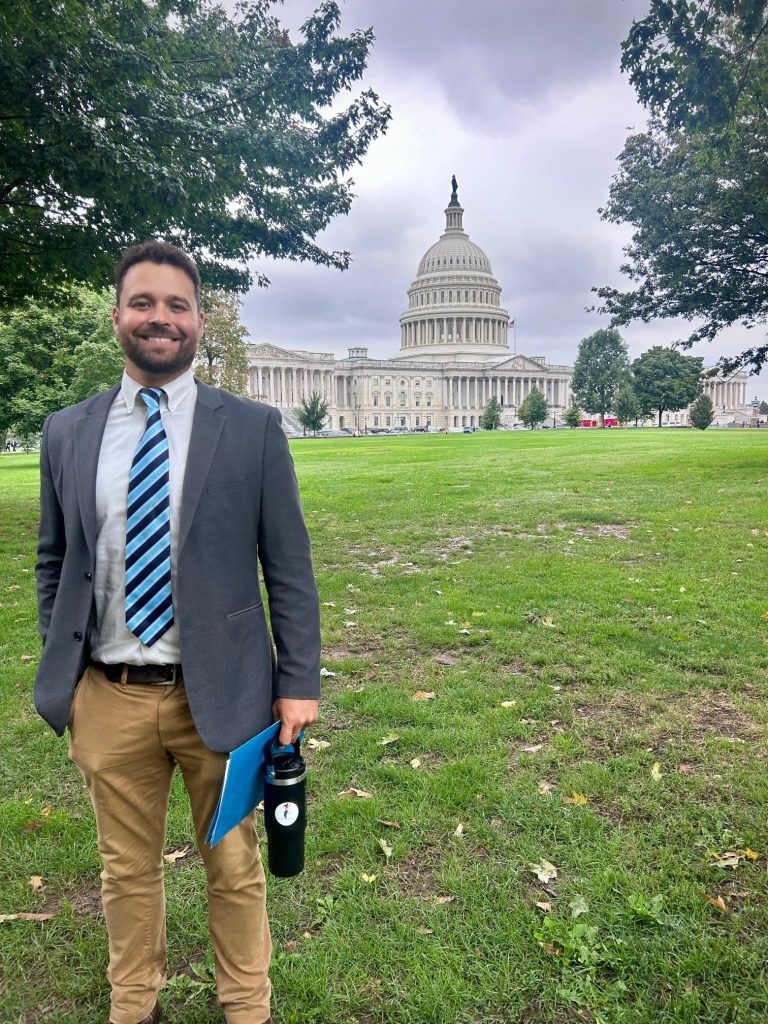
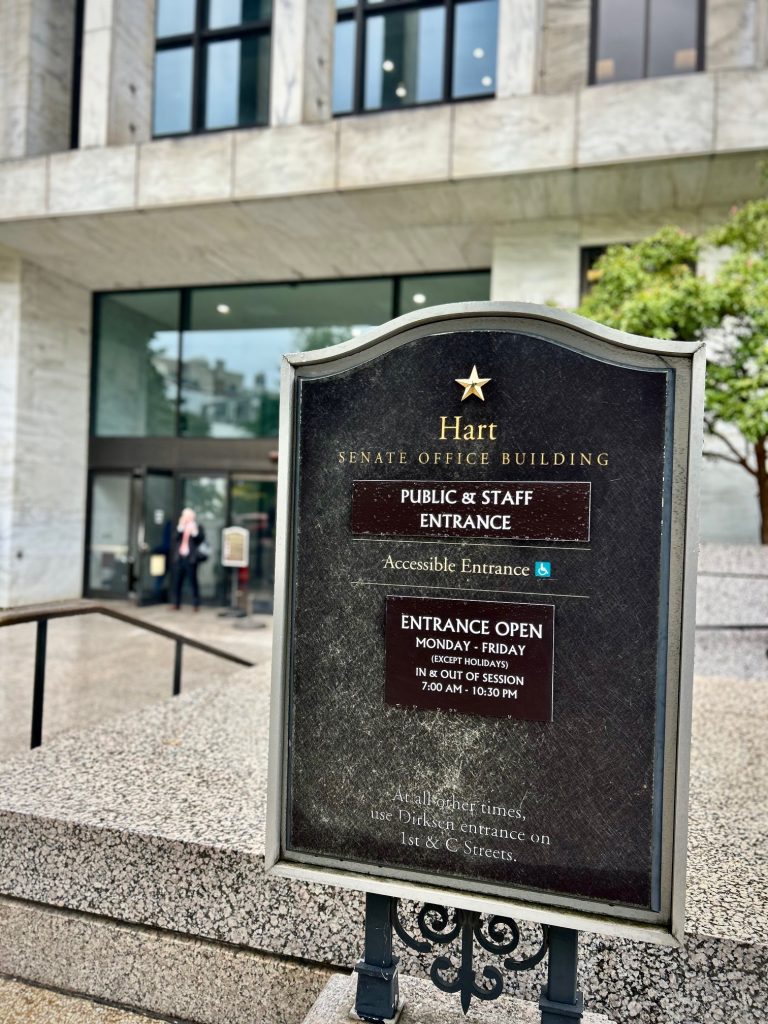
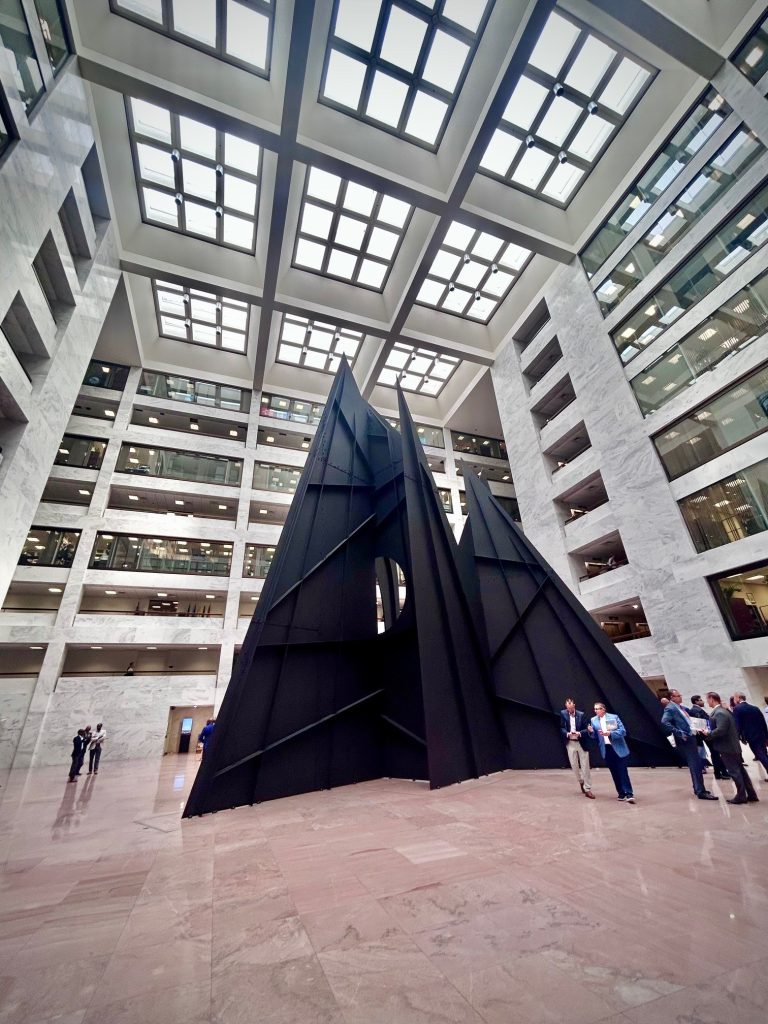
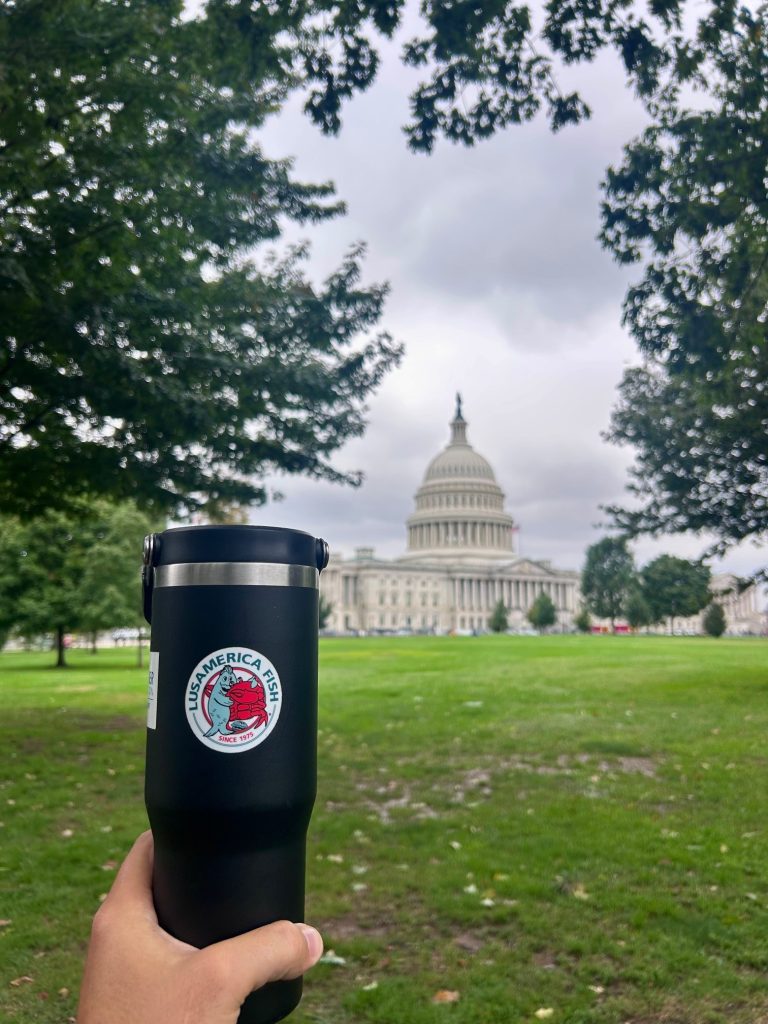
Fully equipped with a day of training, fly-in attendees hit the ground running in the halls of Congress, moving between Senate and House offices. The crew of fly-in advocates were organized into small groups based on their home districts for pre-coordinated meetings with Congressional staffers. A total of 25 meetings were held on the Hill on Tuesday, September 9th, advocating for domestic fisheries across the nation.
What made this fly-in unique? There were no pre-written talking points. Instead, each regional group developed its own priorities, ensuring authentic, community-driven advocacy.
The common theme: Equip NOAA with adequate funding and staffing to ensure our fisheries are managed with the next generation in mind and that current programs are not lost or crippled. Concerns raised by the Pacific and North Pacific group included:
- Support adequate funding and staffing for NOAA and Councils
- Support working waterfronts and services coastal communities depend on
- Recognize cultural significance of fisheries resources and importance of domestic food supply
- Support rural communities and access for subsistence use of resources for continuation of way of life
- Re-anchor access in rural communities and infrastructure necessary to support the fleet
- Facilitate access for new entrants
Together, these issues underscore the pressing need to safeguard NOAA’s capacity to manage fisheries for both current and future generations.
Elevating our Local Fisheries
During meetings, Lusamerica emphasized the remarkable conservation comeback of the West Coast groundfish fishery—an example of how science-based management delivers results. While the U.S. leads the world in sustainable fisheries management, NOAA must have adequate funding and staffing to continue this success.
“When the West Coast groundfish fishery collapsed, it devastated both the environment and our working waterfronts. We lost a large year-round fleet, and with it came disappearing infrastructure—processors, ice houses, fuel docks, and more. Thanks to fishermen, scientists, and regulators working together, our fish stocks rebounded under a new management plan. It’s a powerful example of how resilient our oceans are—and how sustainable fishing is possible when done responsibly.”
“Over the past five years, Lusamerica has invested heavily in our local fisheries—leasing a dock to work directly with fishermen, attaining first-receiver licenses, and adding a fillet line dedicated to West Coast species. Now we need Congress to invest in our fisheries and waterfronts, too, so we can put more domestic seafood back on American plates—seafood that’s responsibly harvested and supports the livelihoods and culture of our coastal communities.”
-Peter Adame, Director of Communications & Sustainability
Peter also stressed the importance of expanding domestic seafood supply, noting that studies show up to 80% of the seafood consumed in America comes from abroad.
By coming together in Washington, D.C., fishermen, seafood leaders, and advocates showed Congress that healthy oceans and thriving fisheries are a shared priority. Lusamerica is proud to lend our voice to this national effort, ensuring sustainable seafood and working waterfronts remain strong for decades to come.
Click to see the Fisheries Management Flyer we left with our Congressional Offices
Bonus: Fishing Photos from the National Museum of the American Indian
Before the fly-in event, Peter took time to visit the National Museum of the American Indian in Washington, D.C. Check out some of the old fishing photos he discovered of the Pacific Northwest.
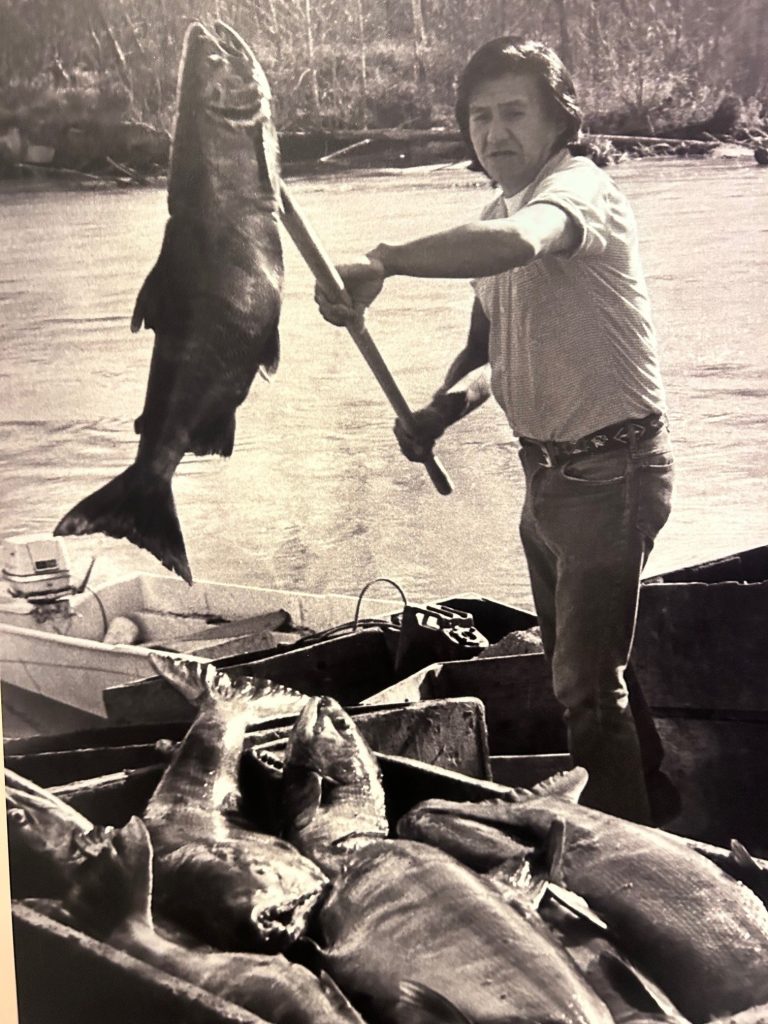
Billy Frank Jr., fishing the Nisqually River, 1973
Photo by Tom Thompson
Courtesy of the Northwest Indian Fisheries Commission
Frank was a Nisqually whose home became the epicenter of the protests. The state of Washington
arrested him and confiscated his fishing gear dozens of times between 1945 and 1970.
He called himself the “go-to jail guy”
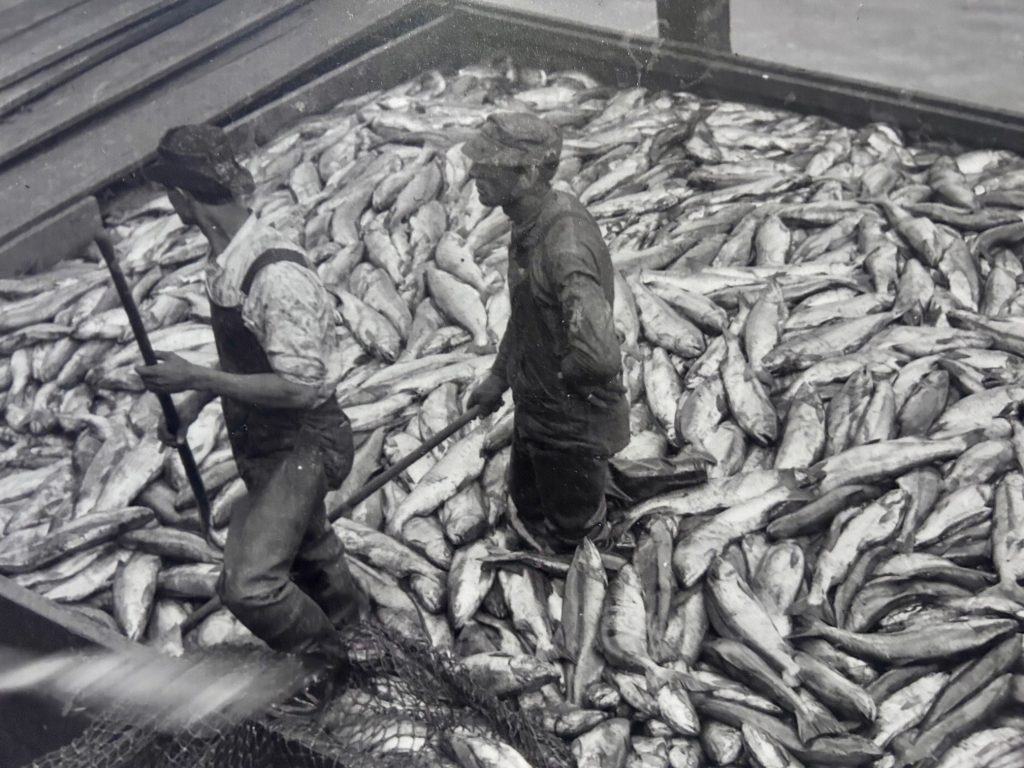
Scow load of salmon taken by commercial fisher on Puget Sound, n.d.
Photographer unknown
University of Washington Libraries, Special Collections IND0097
Commercial fisherman claimed that the Indians depleted the fish.
In fact, many Native Nations had already imposed seasons and limits on their citizens.
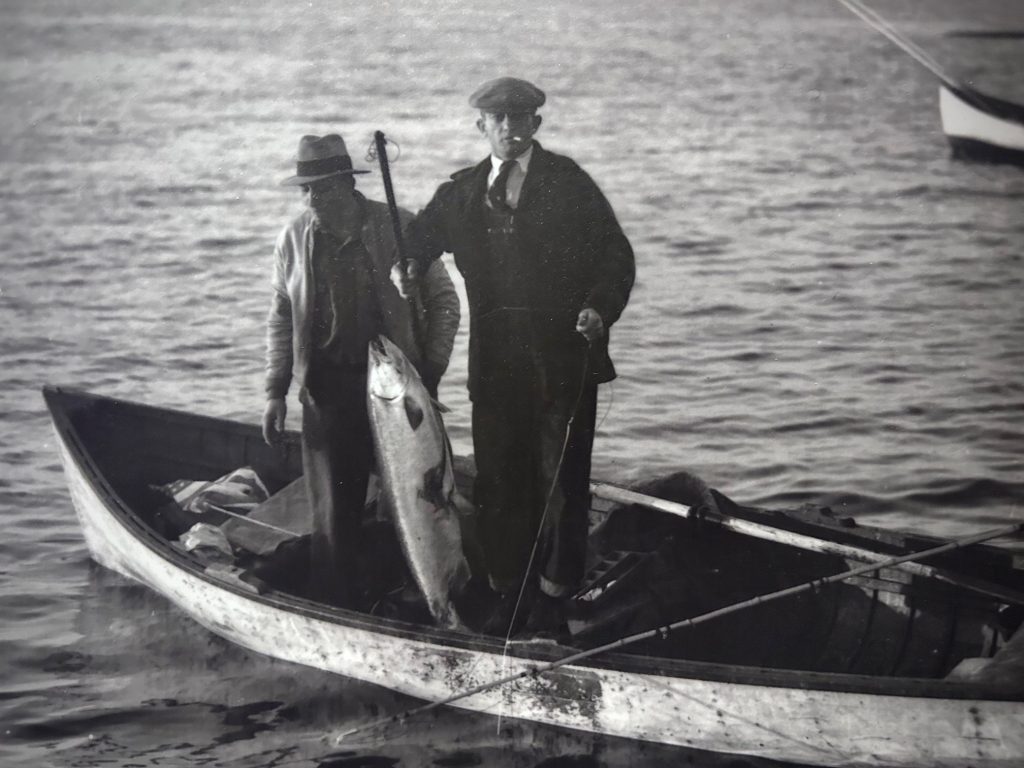
Sport fishermen competing in a fishing derby, Tulalip, Washington, 1929-32
Photo by Vern C. Gorst
University of Washington Libraries, Special collections SOC1543
Sport Fishermans organizations controlled the state agency set up to regulate them, the Department
of Game. When they objected to Indians being exempt from state game laws, the state cracked down
on the Indians.
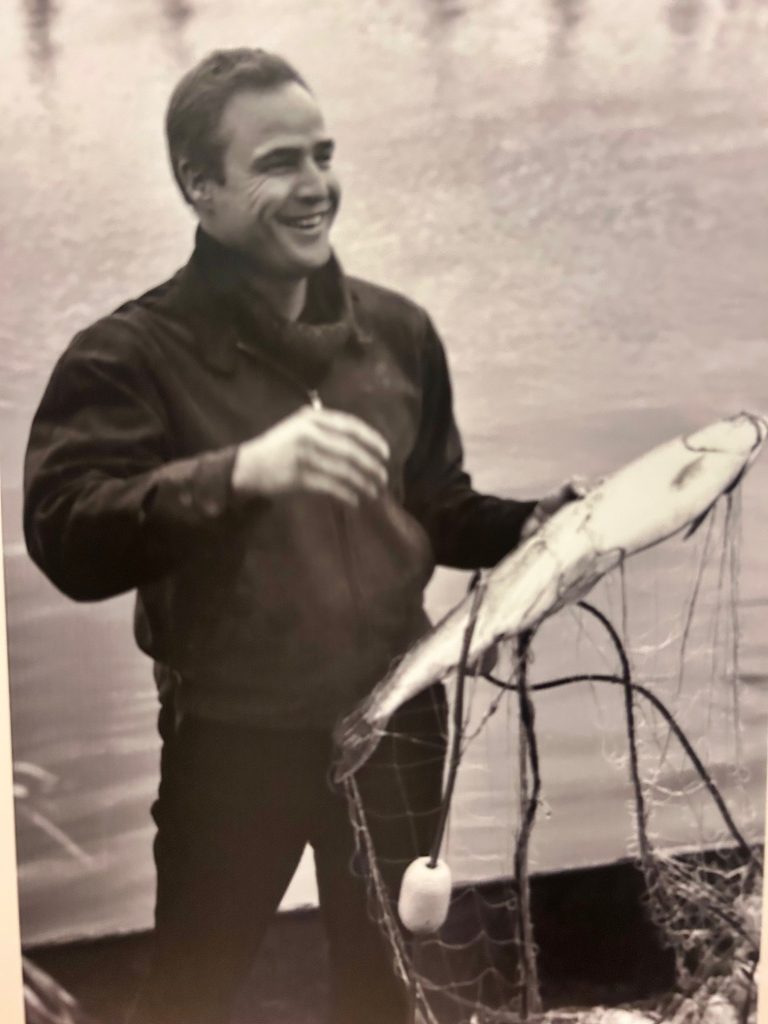
Actor Marlon Brando, a supporter of American Indian rights, 1964. This photo was taken before his arrest during a “fish-in”. A “fish-in” is a protest by Native American tribes in the Pacific Northwest, advocating for their treaty rights to fish in their traditional waters. These events led to significant legal battles, culminating in landmark court decisions affirming treaty rights for tribes in the Pacific Northwest. On this occasion, Marion Brano was quoted as saying, “Christ Almighty, look at what we did in the name of democracy to the American Indian. . . . We had four hundred treaties with the Indians, and we broke every one of them.”