April is Earth Month, a perfect time to celebrate the incredible sustainability stories behind a few of our favorite species. Through innovation, collaboration, and responsible management, these fisheries have transformed challenges into success stories, ensuring ocean health and a sustainable seafood supply chain. Here are five inspiring examples of sustainability in action:
Sole – Part of a Remarkable Rebound

In 2000, the West Coast Groundfish Fishery was in crisis. Declared a federal disaster due to overfishing and declining stocks, the future of groundfish species like Petrale sole & Dover sole looked bleak. But thanks to the dedication of fishermen, scientists, and supply chain partners, the fishery embraced sustainable management practices, allowing stocks to recover. The fishery achieved certification from the Marine Stewardship Council (MSC) in 2014 and continues to thrive—an inspiring example of how science-based strategies and industry cooperation can turn the tide for struggling fisheries.
Bocaccio Rockfish – A Growing Commitment to Sustainability
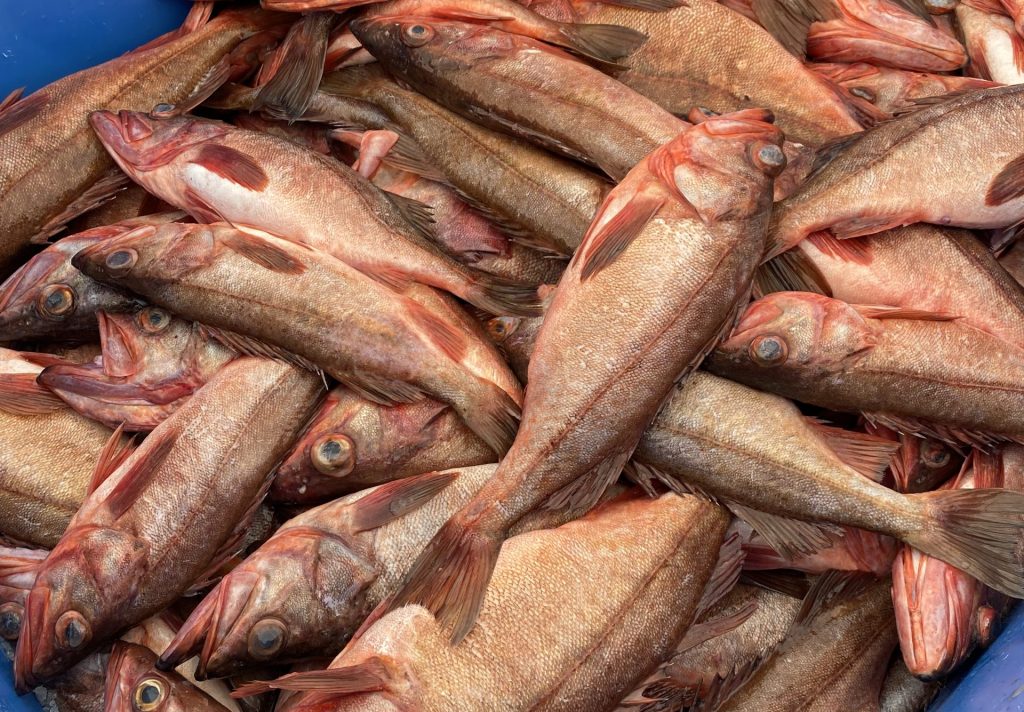
The commitment to sustainability didn’t end with the West Coast Groundfish MSC certification back in 2014. Over the years, five additional species—including bocaccio rockfish—have been added to the scope of certification, bringing the total number of MSC-certified species in this fishery to 18. This continued commitment reflects the industry’s dedication to responsible fisheries management and the long-term health of the marine ecosystem.
Atlantic Scallop – A Comeback Story with a Research Legacy

Atlantic sea scallops were once overfished, and by the 1990s, their future was uncertain. A new science-based management plan, including rotational closures and harvest limits, allowed scallop populations to recover. Today, the U.S. Atlantic Sea Scallop Fishery is one of the most valuable and well-managed fisheries in the country. Beyond sustainability, the fishery actively contributes to marine research, supporting studies on scallop populations, endangered species protection, and habitat conservation—helping to ensure a resilient future for both the fishery and the wider ecosystem.
Pink Shrimp – Innovation That Lights the Way
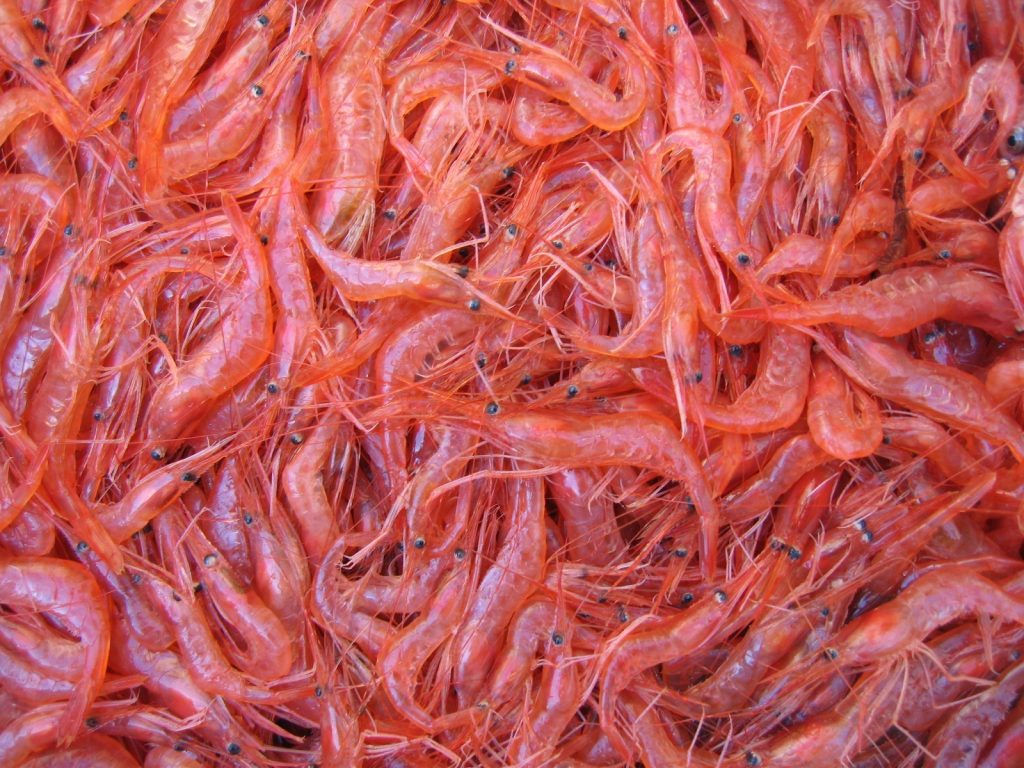
Photo Credit: Oregon Trawl Commission
Bycatch reduction is a crucial challenge in many fisheries, and the U.S. West Coast Pink Shrimp Trawl Fishery has been a leader in finding innovative solutions. Researchers discovered that placing LED lights on the foot ropes of trawl nets reduced bycatch of eulachon, an important but vulnerable species, by 80-90%. By 2018, all vessels in the fishery had adopted this method, and the success of the approach has since led to its widespread use across shrimp fisheries in California, Oregon, and Washington. This is a prime example of how industry-driven solutions can create positive ripple effects for conservation.
Pacific Cod – Tackling Ghost Gear and Bycatch Data
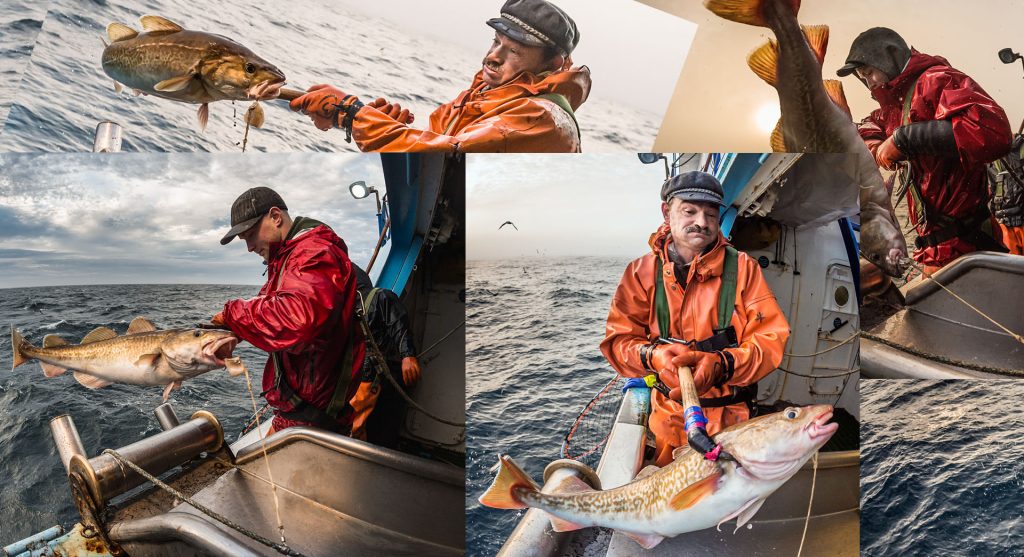
Photo Credit: Alaska Seafood
Sustainable fishing isn’t just about managing fish stocks—it’s also about reducing lost gear and bycatch. During their first MSC certification period, the Pacific Cod Fishery made improvements in documenting bird bycatch and lost gear. The fishery worked with industry and government organizations to develop “lost gear reporting forms,” improving data collection and reducing the risk of ghost fishing. Since 2014, no further conditions have been placed on the fishery—showcasing a proactive approach to sustainability.
The Bigger Picture: How Sustainable Seafood Protects Our Ocean
Each of these fisheries demonstrates that sustainability isn’t just a label—it’s an ongoing commitment. Through science, innovation, and industry leadership, these fisheries have proven that responsible management benefits both the ocean and the people who rely on it. As we celebrate Earth Month, choosing MSC-certified seafood is one of the easiest ways to support these efforts and ensure a healthy ocean for generations to come. The Aquaculture Stewardship Council (ASC) is the MSC’s farmed seafood counterpart and is another eco-certification option to rally on. Seafood lovers can also use the Monterey Bay Aquarium’s Seafood Watch program as another sustainable seafood guide to make better seafood choices. .